Why No One Cares About Modern Recliners
The Evolution of Modern Recliners: Comfort and Design in the 21st Century
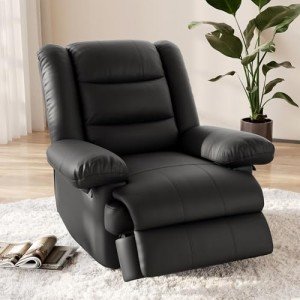
Modern recliners have transcended their conventional function as basic, adjustable seating options. As soon as limited to click the next site of function, these chairs have actually evolved into sophisticated pieces of furniture that combine ergonomic style, design, and advanced technology. Today's recliners are not just furniture; they are an integral part of the home environment, improving relaxation, home entertainment, and total wellness. This post will explore the evolution of modern recliners, explore numerous types and functions, and answer some often asked questions.
A Brief History of Recliners
The story of recliners began in the late 19th century when they initially became an innovation in furniture style. Originally described “lazy kids,” these chairs were developed for convenience and relaxation. For many years, their product composition, ergonomic styles, and performances have considerably changed, resulting in the modern recliner we see today.
Innovation Through Time
The development in technology over the years has actually played an essential function in the development of modern recliners. Early recliners featured basic reclining mechanisms, generally depending on mechanical levers. On the other hand, today's models include numerous technological developments, consisting of electric motors and adjustable features that allow users to tailor their seating experience.
Secret Milestones
Year
Turning point
1928
Intro of the first reclining chair
1950s
Mass production and marketing of recliners
1980s
Incorporation of swivel and glider mechanisms
2000s
Rise of ergonomic styles and memory foam
2010s
Combination of wise technology and USB ports
The Anatomy of a Modern Recliner
Modern recliners come loaded with a variety of functions developed to improve user comfort. Understanding these features can help customers make knowledgeable choices when choosing a recliner.
Secret Features to Consider
Reclining Mechanism
- Manual recline: Operated with a lever or a latch.
- Power recline: Uses a motor for simple and easy reclining, often with several positions.
Material Options
- Leather: Offers a classic, luxurious feel.
- Fabric: Available in various colors and textures, appropriate for family usage.
- Faux leather: A more affordable and animal-friendly alternative to genuine leather.
Ergonomics
- Lumbar support: Critical for back health, adjustable alternatives offered.
- Head and neck support: High-back designs and built-in headrests.
- Ottoman compatibility: Many modern recliners include incorporated footrests or matching ottomans.
Technological Additions
- USB charging ports: Convenient connection for gadgets.
- Massage features: Varying strength levels for relaxation.
- Heating functions: Helps soothe hurting muscles.
Design Styles
- Contemporary: Sleek, minimalist styles appropriate for modern homes.
- Conventional: Classic styling and deep cushions for a cozy feel.
- Eco-friendly alternatives: Made from sustainable materials.
Kinds Of Modern Recliners
In the diverse world of modern recliners, numerous styles deal with different needs and tastes. Here's a rundown of the most popular recliner types today:
Popular Recliner Types
Wall-Hugger Recliners
- Require minimal space, ideal for smaller homes.
Lift Recliners
- Equipped with a lifting mechanism that carefully helps users in standing up.
Rocker Recliners
- Combine the reclining and rocking functions, ideal for relaxation.
** reclining Sectionals **
- A sectional sofa that permits multiple individuals to recline simultaneously.
Home Theater Recliners
- Designed for cinema-like experiences, typically featuring cup holders and reclining seats.
The Very Best Places to Use Modern Recliners
Modern recliners can boost different living spaces in a home. Here are some ideal areas:
- Living Room: The main gathering area for relaxation and entertainment.
- Home Theater: Upgrades the movie-watching experience with comfort and style.
- Bed room: Serves as a cozy spot for reading or unwinding before sleep.
- Office: Offers a peaceful break area during long work hours.
Frequently Asked Questions (FAQs)
What is the typical lifespan of a recliner?
The lifespan of a recliner can differ significantly based on its building and use. Nevertheless, a premium recliner can last anywhere from 7 to 15 years with proper care.
How often should I clean my recliner?
It's advisable to clean your recliner a minimum of as soon as a month. Utilize a microfiber cloth for fabric recliners and a soft leather cleaner for leather chairs to keep their appearance and hygiene.
Are power recliners more expensive than manual recliners?
Generally, yes. Power recliners use advanced innovation that typically comes at a greater price point compared to manual recliners.
Can recliners be fixed if they break?
Yes, lots of recliners can be fixed. Issues such as damaged mechanisms or damaged upholstery can usually be dealt with through expert repair work, depending upon the intensity.
What should I search for when buying a recliner?
Consider factors such as the reclining system, product, ergonomic functions, size, design, and any extra innovation that fits your lifestyle and home design.
The modern recliner has actually come a long method from its modest origins. Today's recliners are not merely practical pieces of furniture but are created to improve the overall lifestyle for their users. As innovation continues to advance and consumer preferences evolve, we can anticipate to see much more development worldwide of recliners. Whether seeking an elegant focal point for a living-room or a cozy spot for relaxation, today's recliners offer something for everyone. With a wide variety of alternatives readily available, choosing a recliner has actually never ever been easier or more exciting.